Local SEO Ranking Factors 2026: The 12 Signals That Actually Move the Map Pack
Local SEO in 2026 is decided by 12 ranking signals, not 200. Here is what actually moves the Google Map Pack this year, ranked by impact, with the exact actions for small businesses.
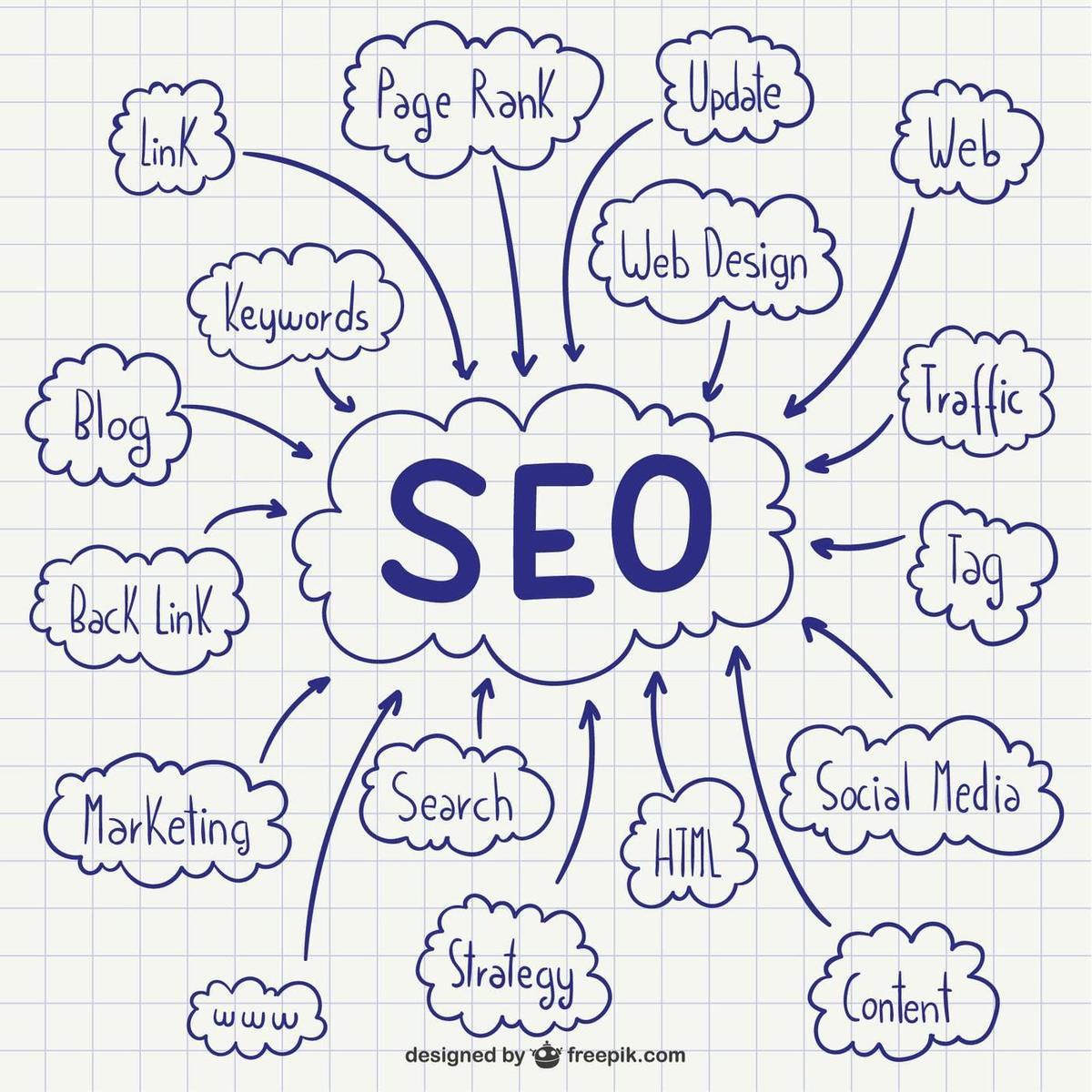
Local SEO Is Not 200 Ranking Factors. It Is 12.
Every year a local SEO blog publishes a "200 ranking factors" infographic and every year small business owners read it, panic, and do nothing. The truth in 2026 is much cleaner. Google's local algorithm leans hard on a small set of dominant signals. The other 188 things on the chart are real but contribute fractions of a percent each. Focus on the 12 that matter and you will outrank 90% of your direct competitors.
This guide walks through those 12, ranked roughly by how much they move the Map Pack in mid-2026, based on the patterns we see across hundreds of Orange County local businesses we audit each year, plus what BrightLocal's 2026 Local Search Ranking Factors study confirms in the wider industry data. If you want the Map Pack-specific deep-dive for Orange County, our Google Business Profile and Map Pack guide goes city by city.
1. Google Business Profile Primary Category (Highest Impact)
Your GBP primary category is still the single highest-leverage local ranking signal in 2026. Pick the wrong primary category and you can do everything else right and still not rank. Pick the most specific accurate primary category ("orthodontist" beats "dentist" if you're an orthodontist; "sushi restaurant" beats "restaurant") and add 4-9 secondary categories that cover your other services.
Most small businesses we audit have either a too-generic primary category or are missing 3-5 obvious secondary categories. Both leave rankings on the table. Update it once, correctly, and rankings often move within 2-4 weeks. Our GBP optimization guide walks through the category research process in detail.
2. Proximity to the Searcher
Proximity is still the single largest factor for non-branded searches like "web design near me" or "plumber Irvine." You cannot change your address, but you can change how Google understands your service radius. Service-area businesses (plumbers, contractors, cleaners) should list every city they serve in GBP and create unique service-area pages on the website (not duplicates). Brick-and-mortar businesses should ensure their GBP address is verified, exact, and matches every citation across the web.
Beyond the basics, the proximity signal can be expanded by building topical authority across nearby cities. A website with city pages for Irvine, Tustin, Newport Beach, and Costa Mesa that each have unique, locally-relevant content will outrank a single homepage trying to target all four. For the city page strategy, see our multi-location SEO guide.
3. Review Volume, Recency, and Velocity
Reviews remain a top-three signal in 2026 but the way Google weights them has shifted. Total review count still matters, but recency and velocity now matter more than they used to. A business with 60 reviews including 10 from the last 60 days outranks a business with 200 reviews where the last one was 18 months ago. Steady, consistent review acquisition (5-15 per month for most small businesses) beats one big push followed by silence.
Replies matter too. Businesses that reply to 90%+ of reviews, including negative ones, rank better than businesses that ignore them. Use review keywords naturally in your replies ("thanks for choosing our Costa Mesa team for your website redesign") to reinforce topical and geographic relevance. The full review-acquisition playbook is in our how to get more Google reviews guide.
4. On-Page Local Signals (Title Tags, H1s, NAP)
Your homepage and key service pages should make it physically impossible for Google to miss what you do and where. Title tags that follow the pattern "Service in City | Brand" outperform clever marketing titles in local SERPs by 20-40%. H1s should match the page's intent and include the primary service-location combination once, naturally. Your NAP (name, address, phone) should be in the footer of every page in plain text (not just an image) for Google to crawl.
Schema markup amplifies all of this. LocalBusiness schema, Service schema, and FAQ schema on your service pages give Google explicit, machine-readable context. Most small business sites we audit are missing all three. Adding them is a one-time technical task that typically lifts rankings 5-15 spots on competitive local terms inside 60-90 days.
5. Citation Consistency Across Top Directories
Citations (mentions of your NAP across the web) used to be the dominant local signal a decade ago. They matter less now in raw volume but consistency still matters a lot. Google cross-checks your name, address, and phone across the major directories (Yelp, Apple Maps, Bing Places, BBB, industry-specific listings) and discounts businesses whose data conflicts. One outdated suite number or phone number on Yelp can quietly drag rankings.
Audit your top 20 citations once a year using a tool like BrightLocal, Whitespark, or a manual spreadsheet. Fix every inconsistency. Don't pay for "500 citation builder" packages from sketchy SEO vendors, they create more cleanup work than ranking benefit. For a small local business, the top 30-50 high-trust citations are all you need.
6. Localized Content Depth on the Website
Beyond your homepage, the depth of locally-relevant content on the site is a significant Map Pack signal. A web design agency with one homepage targeting "Orange County" will lose to one with city-level pages for Irvine, Newport Beach, Anaheim, Santa Ana, and Huntington Beach, each with unique copy referencing local landmarks, neighborhoods, and customer examples. Same for service-specific pages: "local SEO services" beats no service page at all, but "local SEO services for Orange County restaurants" beats them both for that specific query.
The trick is making each page actually useful, not duplicated boilerplate with the city name swapped. Three to five paragraphs of genuinely city-specific context per page is the bar. For inspiration, see how our own Irvine, Anaheim, and Huntington Beach pages are structured.
7. Behavioral Signals (Click-Through, Time on Site, Map Pack Engagement)
Google increasingly uses behavioral signals as a tiebreaker between similar businesses. Higher click-through rates from your Map Pack listing (driven by good photos, a strong primary category, and strong reviews), longer time on site, and direct engagement with the GBP listing (call clicks, direction requests, website visits) all feed back into local rankings.
The leverage point: optimize the things customers see before clicking. Add 20-40 fresh photos to your GBP per quarter (not stock, real interior and team shots). Write a GBP business description that reads like a human wrote it. Use GBP posts weekly to keep the listing active. Businesses that do this routinely outrank competitors with better backlinks but stale listings.
8. Backlink Profile (Local Relevance > Volume)
Backlinks still matter for local SEO but the formula has shifted. In 2026, a link from a local Chamber of Commerce, a local news outlet, or a local industry blog outranks twenty generic guest posts. Google has gotten very good at distinguishing real local signals from manufactured ones. Five to ten strong local citations (a Chamber listing, a local sponsorship page, a feature in a local paper, a mention from a partner business) move local rankings further than fifty generic blog comments.
For most small businesses, the practical link-building strategy is community-driven: sponsor a Little League team, host a local meetup, partner with a complementary local business and get a link on their site, get quoted in a local news story. These produce links Google trusts and competitors can't easily replicate.
9. Mobile Experience and Core Web Vitals
Local searches happen on mobile, roughly 78% of "near me" queries come from a phone, per Google's own reporting. A site that loads slowly on mobile, has tap targets too close together, or shifts layout while loading bleeds rankings in 2026 in a way it didn't five years ago. Core Web Vitals, especially the new Interaction to Next Paint (INP) metric, are now a direct ranking factor for local results, not just a tiebreaker.
The bar is: under 2.5 seconds for Largest Contentful Paint, under 200ms for INP, and zero noticeable Cumulative Layout Shift. Most small business sites we audit fail at least one of these. Fixing them often requires nothing more than compressing oversized images and removing 3-5 unused third-party scripts. Our Core Web Vitals 2026 guide covers the diagnostics in depth.
10. GBP Activity (Posts, Photos, Q&A, Services)
An active Google Business Profile outranks a static one. The signal Google uses is roughly: have you posted in the last 30 days, are you adding photos regularly, are you answering questions on your profile, and do you have services and products filled out completely? Most of our highest-ranking local clients post on GBP weekly, upload 5-10 new photos per month, and have a complete services list with descriptions.
This is one of the easiest wins available because most competitors have completely abandoned their GBP after initial setup. Twenty minutes a week of GBP activity moves rankings more than most paid SEO services do.
11. Topical Authority and Internal Linking
Local rankings now reflect overall topical authority, not just direct local signals. A web design agency that publishes a deep library of web design content with strong internal linking (this blog, for example) will outrank a competitor with the same on-page optimization and reviews but a shallow site. Google reads the full site to decide how much weight to give your local pages.
The practical implication: publish 1-2 quality long-form posts per month in your niche, link them to your service pages with descriptive anchor text, and over 6-12 months your local rankings will lift across the board, not just for the new content. For the content strategy framework, see our SEO content strategy guide.
12. AI Search Visibility (The New 12th Factor)
New in 2026: appearing in AI Overviews, ChatGPT answers, and Perplexity citations is now a ranking signal for local SEO. Google's local algorithm increasingly cross-references signals from AI search behavior. Businesses that get cited in ChatGPT answers about Orange County web design also tend to rank better in the traditional Map Pack for related queries.
The way to win here overlaps with classic SEO but isn't identical. AI engines reward concrete facts (pricing, hours, exact services, named team members), clean structured data, and a strong reputation across the web. For the full playbook, our AI search SEO guide walks through the optimization steps.
The 90-Day Implementation Plan
You don't have to address all 12 at once. Days 1-30: fix the GBP primary and secondary categories, complete the profile end to end, request reviews from your last 50 customers, and add LocalBusiness + Service schema to your top 5 pages. Days 31-60: audit and fix the top 20 citations, add 3-5 city pages with unique content, post on GBP weekly, and run Core Web Vitals fixes on your homepage. Days 61-90: publish two longform pieces of content with internal linking to your service pages, build 3-5 real local backlinks, and audit AI search visibility for your top branded and category queries.
Most small businesses that follow this 90-day plan see Map Pack rankings move 8-25 positions for their core terms, and total local lead volume increase 30-70%. The work is real but not complicated. If you'd rather we run the full audit and execute the plan for you, contact us for a custom local SEO proposal.
Anas designs, builds, and optimizes every website Web Liftz ships. He writes from what actually works across client projects in Orange County: local SEO, conversion-focused design, and fast websites that rank. More about the studio.
Ready to Elevate Your Online Presence?
Let's talk about your project. Get a free consultation and custom quote within 24 hours.