Shopify Magic and Sidekick AI Agents in 2026: The Small E-Commerce Playbook
Shopify's AI agent suite, Magic, Sidekick, and the new Shop AI, fundamentally changed what a one-person Shopify store can do in 2026. Here is the practical playbook for using them to add revenue, not just hours.
What Shopify Actually Shipped in the Last 12 Months
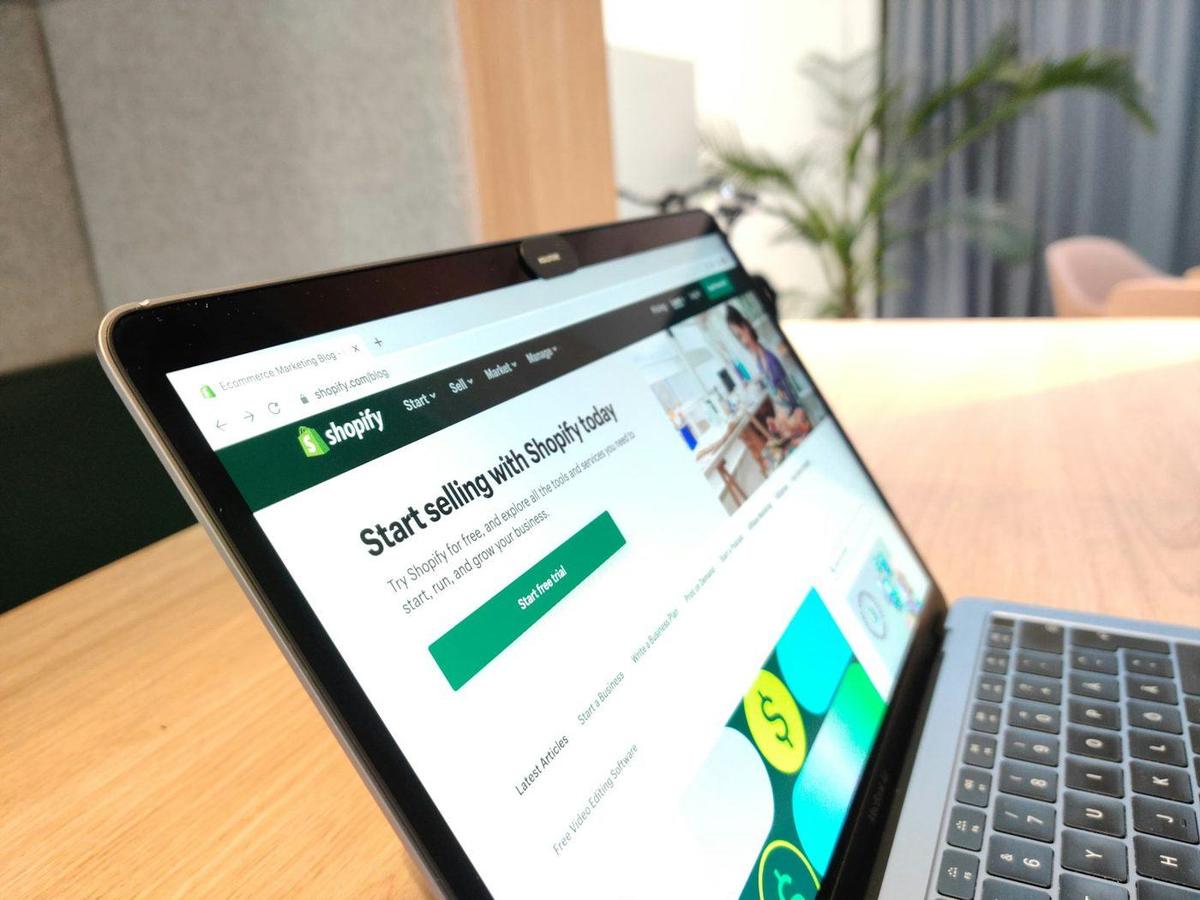
Shopify's AI suite expanded significantly between Editions Summer 2025 and Winter 2026. Shopify Magic is now baked into every store on every plan (free) and handles product descriptions, email copy, blog drafts, image edits, and FAQ generation. Sidekick, Shopify's conversational store assistant, went general availability in October 2025 and handles inventory queries, sales analysis, marketing setup, and store operations through plain-English conversation. The newer Shop AI agent went live for consumers in early 2026 and is now the front-end shopping assistant inside the Shop app, surfacing products from connected stores.
The implication for small merchants: a one-person Shopify store in 2026 has access to roughly the same operational firepower a mid-sized e-commerce team had in 2022. The differentiator is no longer whether you have access, every store does. It's whether you've actually built workflows around the tools.
The Magic Workflows That Move Revenue (Not Just Save Time)
Most merchants use Shopify Magic to write product descriptions and stop there. That's table stakes, not revenue. The Magic workflows that genuinely lift sales: AI-generated product variant descriptions that surface specific benefits per variant (size, color, material, Shopify A/B tested these and saw a 3-8% conversion lift), AI-rewritten abandoned cart email sequences personalized by product category, and Magic-drafted FAQ sections on product pages, which both reduce pre-purchase questions and improve organic SEO via FAQPage schema.
The pattern: don't use Magic to do what you were doing before, faster. Use it to do things you would never have had time to do at all, like writing 50 unique variant descriptions across your top 10 products. That's where the revenue is hiding.
Sidekick: The Five Conversations Every Store Owner Should Have Weekly
Sidekick works best when you treat it like a junior operations analyst you check in with on a schedule. Five weekly conversations that compound: "Which products had the biggest sales drop this week vs. last week and why?" (catches inventory and listing problems early), "Show me my top 10 customers by lifetime value and email me their order history" (feeds VIP outreach), "Which abandoned checkouts came from mobile in the last 14 days and what were the top reasons?" (catches checkout friction), "Draft a 3-email winback sequence for customers who haven't ordered in 60+ days," and "What's my best-margin product this month and how much paid ad budget could I add before margin breaks?"
Each conversation takes 2-5 minutes. The five together replace a weekly analyst meeting you almost certainly were not having. Owners who run this cadence consistently report 12-25% revenue lift inside 90 days, mostly from problems they previously caught two months too late.
Optimizing for Shop AI: The New SEO Layer Inside the Shop App
Shop AI is the consumer-facing shopping agent inside the Shop app, and it's now driving meaningful discovery traffic for merchants who optimize for it. The optimization layer is essentially "SEO for Shop AI" and the signals are: complete and accurate product taxonomy (use Shopify's standard product types, not custom strings), high-quality product images with descriptive alt text, populated metafields (especially material, dimensions, use case, and target audience), and consistent review collection through Shopify's native Reviews app or Judge.me.
Stores with complete metafields and reviews are being surfaced inside Shop AI conversations roughly 4x more often than equivalent stores without. The fix is one focused afternoon of cleanup for most catalogs under 200 SKUs.
What Not to Automate (Even Though You Can)
Three things small merchants are over-automating in 2026, with predictable downside. First, customer service responses on returns and refunds, AI handles 70% of these well, but the 30% it mishandles include the ones that go viral on social. Keep a human in the loop for refund disputes and damage claims. Second, fully AI-generated product photography for products you actually sell, both Shop AI's trust signals and consumer trust drop when product images are obviously synthetic. Use Magic for image editing and background swaps, not full product fakery.
Third, automated review responses without review. AI-drafted responses are fine. Auto-sent responses without your eyes on them get awkward when a customer mentions a specific incident the AI didn't catch. Drafts plus 30 seconds of human review is the right cadence.
The 30-Day Implementation Roadmap
Week 1: turn on every Shopify Magic feature, audit your product descriptions, and have Magic rewrite the bottom-performing 20 product pages with specific benefit-led copy. Week 2: clean up product metafields and standardize taxonomy across your top 50 SKUs. Set up FAQPage sections on your top 10 product pages using Magic-generated FAQs. Week 3: set up your five weekly Sidekick conversations as recurring calendar reminders. Run them at least twice during the week. Week 4: build a 3-email winback flow via Shopify Email, drafted by Magic, and turn it on for the 60+ day inactive segment.
By the end of the 30 days, you've upgraded copy, structured data, customer intelligence, and lifecycle marketing, the four levers that move e-commerce revenue. For more on what's working on Shopify specifically vs WordPress in 2026, our Shopify vs WordPress guide covers the broader platform call.
Anas designs, builds, and optimizes every website Web Liftz ships. He writes from what actually works across client projects in Orange County: local SEO, conversion-focused design, and fast websites that rank. More about the studio.
Ready to Elevate Your Online Presence?
Let's talk about your project. Get a free consultation and custom quote within 24 hours.