Google Core Update Recovery in 2026: What to Do When Your Traffic Suddenly Drops
Rankings fell off a cliff overnight and you did not change a thing? A Google core update probably rolled through. Here is how to confirm the hit, diagnose the real cause, and run the recovery playbook that works in 2026.

First, Confirm It Was Actually a Core Update
The pattern is always the same: a small business owner opens their analytics on an ordinary Tuesday and traffic is down 30, 40, sometimes 60 percent, with no warning and no change on their end. Before you touch anything, confirm the cause, because the recovery plan depends on it. Open Google Search Console, check the date your impressions and clicks fell, and compare it against Google's published update timeline on the Search Status Dashboard. A drop that begins within the rollout window of a confirmed core update is a different problem than a manual action, a technical breakage, or a seasonal dip.
While you are in Search Console, rule out the alternatives: check the Manual Actions and Security Issues tabs, confirm your pages are still indexed, and make sure nobody accidentally blocked crawlers during a site change. Impressions falling while average position holds steady tells a different story than positions sliding across the board. This is the same diagnostic discipline as our local SEO audit checklist: diagnose before you spend, because acting on the wrong diagnosis wastes months.
Do Not Panic-Change Everything, That Makes Recovery Slower
The most expensive mistake after an update hit is thrashing: rewriting every page, deleting old posts, swapping themes, and buying backlinks in a panicked first week. Core updates are not penalties. Google did not flag your site for breaking a rule; it re-weighted what it considers helpful across the entire web, and other sites now score better against the new weights. There is nothing to "remove," which means frantic deletions usually destroy pages that were still earning traffic while leaving the actual weakness untouched.
Recovery from a core update is also partly gated by time: sites that improve typically see the gains confirmed at the next core update, when Google reassesses, and meaningful recoveries take months, not days. That is not a reason to wait passively, it is a reason to spend the window making real improvements instead of cosmetic churn. Set expectations accordingly, the same way we set them in how long SEO actually takes, and treat the next update as your exam date.
Diagnose Which Pages Fell and Ask Why
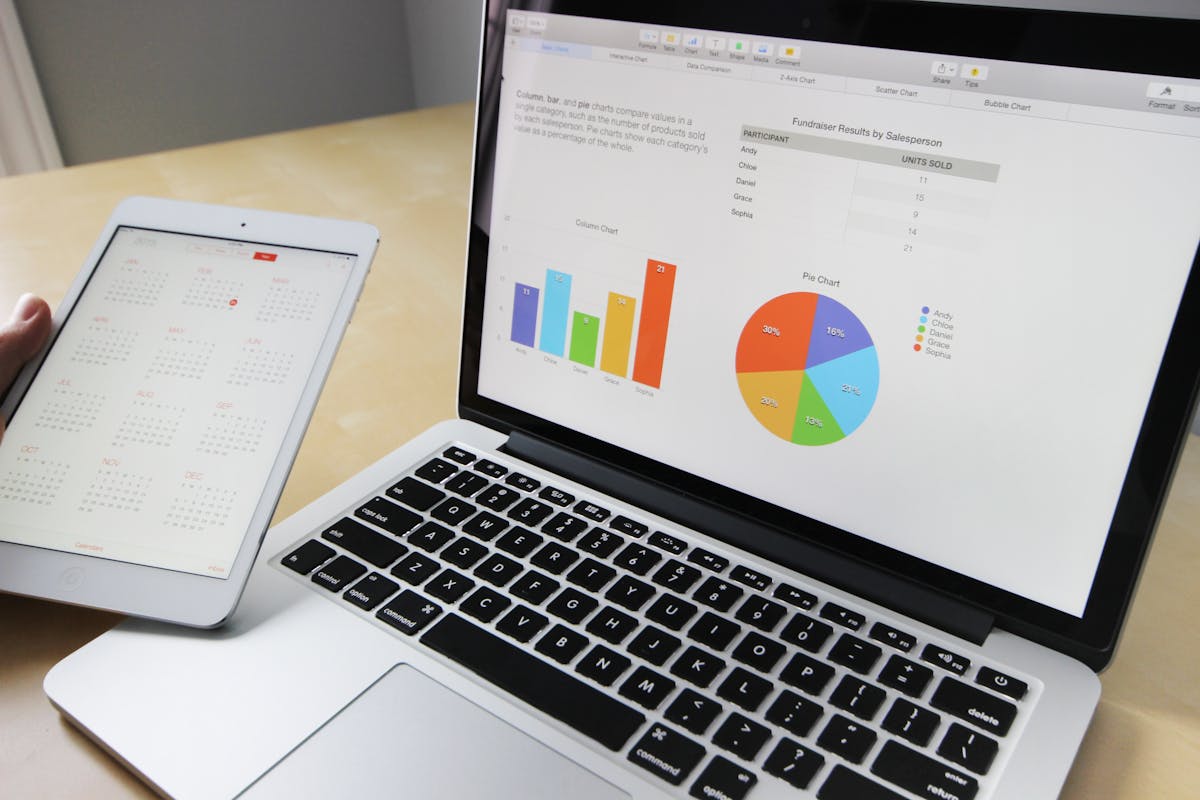
In Search Console, compare the three months after the update against the three months before, and sort by pages and queries to see exactly where the losses concentrate. The pattern is the diagnosis. If thin service pages and old blog posts fell while your strongest guides held, Google re-scored your weakest content. If everything fell together, the issue is more likely site-wide: overall quality perception, user experience, or a site that reads like it exists for search engines rather than customers. If you lost positions to specific competitors, study what their pages do that yours do not.
Then read your losing pages the way a skeptical customer would, against Google's own helpful content questions: does this page demonstrate real first-hand expertise, would someone bookmark it, does it answer the query completely or just gesture at it to capture a click? Pages stitched together from generic AI output with no real experience behind them have been the biggest losers of the 2025 and 2026 updates. Showing genuine expertise, real examples, named authors, and original detail is the same work that wins AI-generated answers, which we cover in how to rank in ChatGPT and Google AI Overviews.
Check the Experience Signals Riding Along With Content
Core updates evaluate more than prose. A site that loads slowly, jumps around as it renders, buries content under popups, or frustrates mobile visitors gives Google direct behavioral evidence that searchers are not being helped, and that evidence feeds the same re-weighting. Run your key pages through PageSpeed Insights and treat poor Core Web Vitals as part of the recovery work, not a separate project. We have seen experience fixes move post-update recoveries that content edits alone could not, which is why page speed is a standing item in every audit we run.
Trust signals get re-weighted too. Confirm every page says who you are, where you operate, and how to reach you; that authors are named on advice content; and that your business details match across your site and listings. For local businesses, those fundamentals overlap heavily with the signals in our local SEO ranking factors guide, and weakness there compounds whatever the update already took.
The Recovery Plan, Month by Month
Month one is triage and the audit above: confirm the update, map which pages and queries fell, and sort your content into three buckets, strengthen, consolidate, or remove. Months two and three are the real work, starting with the pages closest to money: rewrite your most important fallen pages with genuine depth, first-hand specifics, and complete answers; merge thin overlapping posts into one strong page with redirects; and fix the speed and mobile issues you found. Leave pages that still rank well alone. Improving your best content's coverage usually beats publishing new posts during recovery, because the update graded the site you have.
From month four onward, keep publishing genuinely useful content at a sustainable pace and resist grading yourself daily; weekly Search Console checks are enough. When the next core update rolls through, sites that did real work typically see the needle move, and partial recoveries that compound across updates are the norm rather than overnight reversals. If traffic recovered but leads did not, that is a different bottleneck, covered in why sites get traffic but no leads.
When to Get Help, and What Honest Help Looks Like
Plenty of owners run this playbook themselves, and if you have the hours, the Search Console data will not lie to you. Bring in help when the stakes outrun your time: the site is your main lead source, the drop is north of 40 percent, or three months of self-directed fixes have not moved impressions. Be picky about who you hire, because update recoveries attract vendors selling guaranteed timelines and secret fixes. Nobody can promise recovery by a specific date, and anyone who does is telling you they plan to invoice you regardless. The trade-offs are the same ones we lay out in DIY versus hiring for SEO management.
Honest recovery work looks unglamorous: an audit with findings you can verify yourself, a prioritized list of content and technical fixes, and progress measured in impressions before clicks. That is how our SEO service approaches it, and a fast, well-structured website underneath makes every content fix count double. If your traffic dropped and you want a straight answer about why before anyone talks budget, send us your domain and we will tell you what we see.
Anas designs, builds, and optimizes every website Web Liftz ships. He writes from what actually works across client projects in Orange County: local SEO, conversion-focused design, and fast websites that rank. More about the studio.
Ready to Elevate Your Online Presence?
Let's talk about your project. Get a free consultation and custom quote within 24 hours.