What Google Really Looks for on a Small Business Website in 2026
In 2026, Google is focused on clarity, trust, and usefulness. Learn the 10 factors that matter most for ranking and converting leads on your small business website.
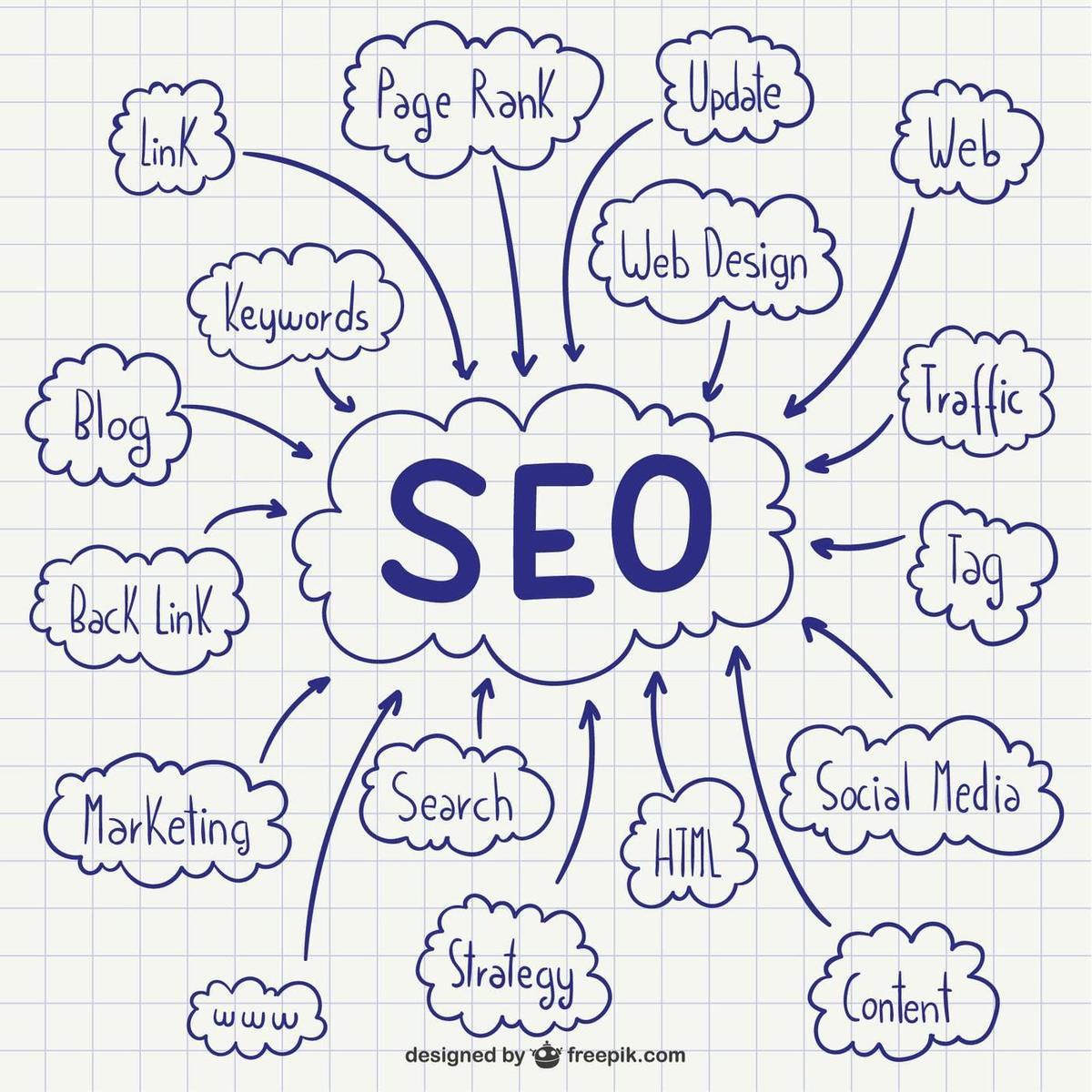
Clear Topical Relevance (Not Just Keywords)
Google does not rank pages just because they include keywords anymore. It ranks pages that clearly match search intent.
That means your website needs to answer questions like: What service do you provide? Where do you provide it? Who is it for? What problem do you solve?
If someone searches "web design Orange County," your page should immediately confirm: You offer web design, You serve Orange County, You work with businesses like theirs.
This is why your service pages matter so much. If your site is vague or tries to cover everything on one page, Google cannot confidently match it to searches.
For a deeper breakdown of how to structure those pages properly, read our SEO web design guide for Orange County businesses.
Strong Website Structure and Internal Linking
Google relies heavily on how your website is organized.
A strong structure looks like this: Homepage (high-level overview), Service pages (specific offerings), Location pages (city-based targeting), Blog content (supporting topics).
Each page should link to related pages naturally. For example: A blog about SEO should link to your web design service page. A city page should link back to your main service page. A conversion-focused article should link to your contact page.
This helps Google understand relationships between pages and improves your rankings across the entire site. It also improves user experience, which directly impacts conversions.
If you are not using internal linking properly, you are leaving SEO gains on the table.

Real Value, Not Generic Content
Google has become extremely good at identifying low-quality or generic content. If your website sounds like every other business, it will not stand out.
Weak content usually: Uses vague phrases like "high-quality service", Lacks specifics, Does not show real expertise, Does not answer actual customer questions.
Strong content: Explains exactly what you do, Uses real examples, Addresses real problems, Shows how you solve them.
For example, instead of saying "We provide excellent web design services" you should say "We build SEO-focused websites for small businesses in Orange County that want more leads, faster load times, and better conversion rates."
That level of clarity is what Google rewards. If you want to improve your content strategy, read our SEO content strategy guide.
Website Speed and Performance
Speed is not just a technical metric. It directly affects rankings and conversions.
If your website is slow: Users leave quickly, Conversion rates drop, Google sees poor engagement signals.
Google measures performance using Core Web Vitals, including: Largest Contentful Paint (LCP), Interaction to Next Paint (INP), Cumulative Layout Shift (CLS).
For most small businesses, common speed issues include: Large unoptimized images, Too many scripts, Poor hosting, Bloated templates.
If your site feels slow, it is costing you leads. To fix that, read our page speed optimization guide.
Mobile-First Experience
Most of your traffic is mobile. Google knows this, which is why it primarily evaluates your mobile experience first.
A mobile-friendly website should: Load quickly, Have readable text, Have clear buttons, Make it easy to call or contact you.
If your site looks good on desktop but is hard to use on mobile, your rankings and conversions will suffer.
This is also where design and SEO overlap. A good-looking site is not enough. It needs to function well.
For a full breakdown, read our mobile-first design strategy guide.

Clear Trust Signals (EEAT)
Google evaluates trust using what is commonly referred to as EEAT: Experience, Expertise, Authoritativeness, Trustworthiness.
For small business websites, this shows up as: Real business information (name, address, phone), Reviews and testimonials, Portfolio or past work, Clear service descriptions, Consistent branding.
If your site looks outdated or lacks credibility, users will hesitate and Google will notice.
Trust is also reinforced by consistency across platforms. Your website, Google Business Profile, and online listings should all match.
If you have not optimized your local presence yet, read our Google Business Profile optimization guide.
Conversion-Focused Design
Google does not just look at rankings. It also pays attention to user behavior. If users land on your site and do nothing, that is a negative signal.
Your website should guide users toward action. That means: Clear calls to action, Simple navigation, Easy contact options, Fast load times.
Every page should answer: "What should this visitor do next?" If the answer is unclear, conversions drop.
The best-performing websites remove friction at every step of the user journey. They make it obvious what to do and easy to do it.
For a deeper breakdown, read our conversion rate optimization guide.
Local SEO Alignment
For service businesses, local SEO is critical. Google needs to understand: Where you are located, Where you provide services, What areas you target.
This is done through: City pages, Google Business Profile, Consistent business information, Location-specific content.
For example, if you serve multiple cities, your website should reflect that with dedicated pages. This helps you rank in multiple local searches instead of just one.
Local SEO is not optional if you want to compete in your market. Your competitors are already doing it.
If you are building out your local presence, start with our local SEO guide for small businesses.
Technical SEO Foundations
Even the best content will struggle if your technical setup is weak. At minimum, your site should have: Proper title tags, Meta descriptions, Clean URLs, Internal linking, XML sitemap, Mobile optimization.
Google also recommends structured data to help understand your business. Structured data uses JSON-LD to clearly define your business type, services, location, and contact information.
Technical SEO is not about complexity. It is about consistency and correctness. You do not need perfect code; you need correct code.
Many small business websites are held back by simple technical issues that are easy to fix once identified.
If you need help with the technical side, read our schema markup guide.
Consistency Across Your Entire Online Presence
Google does not evaluate your website in isolation. It looks at your entire digital footprint.
That includes: Your website, Your Google Business Profile, Your reviews, Your citations, Your backlinks.
If your information is inconsistent, it creates confusion. If everything aligns, it builds trust.
That is why SEO, web design, and marketing should never be treated as separate things. They all work together.
The most successful small businesses treat their online presence as a cohesive system, not isolated channels.
The Real Takeaway
In 2026, Google is not looking for tricks. It is looking for websites that: Clearly explain what they do, Provide real value, Load quickly, Work well on mobile, Build trust, Help users take action.
If your website does those things better than your competitors, you will rank higher. It is that simple.
The websites that win are the ones that prioritize the user experience first. Everything else flows from there.
If your website is not generating consistent leads, there is usually a clear reason why. We help small businesses fix exactly that by improving: SEO structure, Website design, Conversion flow, Page speed, Local visibility.
If you want to see what is holding your site back, request a website audit here. You can also explore our Orange County web design services to see how we build websites designed to rank and convert.
Anas designs, builds, and optimizes every website Web Liftz ships. He writes from what actually works across client projects in Orange County: local SEO, conversion-focused design, and fast websites that rank. More about the studio.
Ready to Elevate Your Online Presence?
Let's talk about your project. Get a free consultation and custom quote within 24 hours.